Blog Article

Multi-zone sound systems for bars and restaurants

How multi-zone audio improves ambience, service and event flexibility — and how to specify, install and maintain reliable systems for UK hospitality venues.

Do multi-zone sound systems work for bars and restaurants?

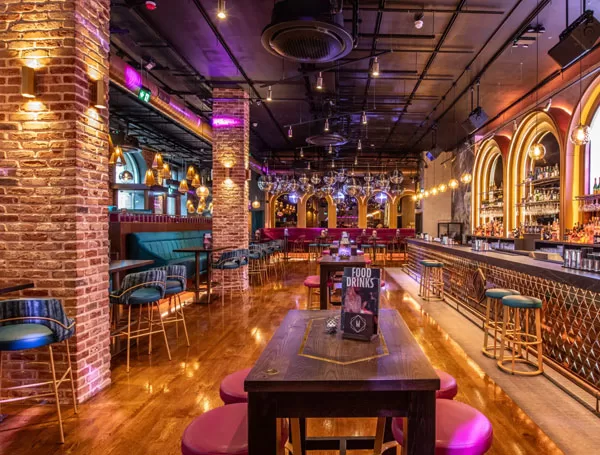
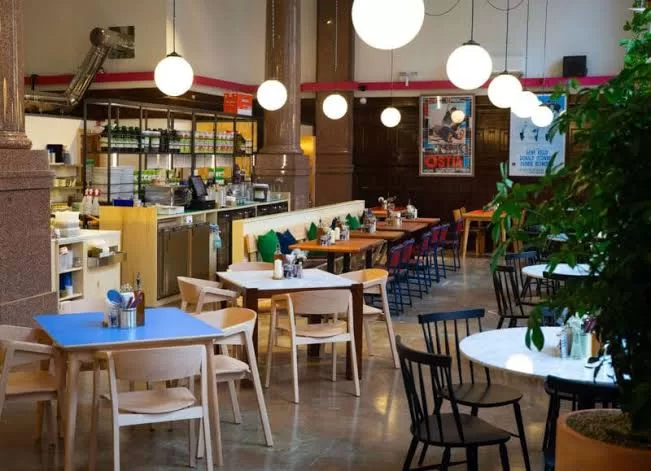
Yes. A correctly specified multi-zone sound system lets you control music level, source and processing independently in separate areas (for example dining, bar, terrace and private rooms). That capability improves guest experience, supports operational needs (background music vs event audio) and reduces complaints about intrusive music or uneven coverage. Early in the project decide the number of zones, control granularity (per room, per area or sub-zone), and how staff will operate the system — wall panels, touchscreens, or centralised AV control. These decisions determine the choice of loudspeakers, amplifiers, DSP and control hardware.
Key design decisions and constraints

1) Zoning strategy: Define zones by acoustic separation and function, not just by floorplan. A dining room adjacent to a busy bar may need separate level control and EQ. 2) Source and routing: Do you need multiple sources simultaneously (e.g. background music in the dining room while a live sports feed plays in the bar)? Plan a scalable source matrix so each zone can select independent sources. 3) Power and amplification: Match amplifier power and channel count to speaker sensitivity and room acoustic losses. For distributed ceiling or surface-mount speakers choose multi-channel amplifiers with bridging or per-channel voicing. 4) DSP and audio processing: DSP handles routing, EQ, delay, limiting and ducking (automatic level reduction for announcements). A DSP with networked control (AES67/Dante or proprietary AoIP) simplifies distribution and remote management. 5) Cabling and infrastructure: Run balanced audio and adequate power to avoid hums and noise; plan conduit and termination points for future changes. Use structured cabling principles if deploying audio over IP. 6) Regulatory and safety constraints: Consider local licensing (noise limits for outdoor terraces), IP-rated speakers for exposed areas and compliance with venue insurance requirements. 7) Budget constraints: Prioritise zones that drive revenue (main bar, terrace) for higher-spec components; use cost-effective background music solutions for low-priority spaces.

Equipment choices — realistic selections and why they matter

1) Loudspeakers: For bars and restaurants choose a mix of ceiling or pendant speakers for discrete background coverage and compact full-range or two-way cabinets for louder social areas. Brands we work with include Martin Audio, RCF and JBL — each offers products that balance speech clarity and music performance. Use dispersion patterns that match room geometry to avoid hot and dead zones. 2) Amplifiers and power: Modern power-efficient amplifiers from established manufacturers (for example Powersoft-class products in the market) reduce heat and rack space. Select DSP-capable amps where possible to reduce separate components. 3) DSP and network audio: Use a DSP that supports per-zone EQ, crossovers and limiting. If you plan distributed audio or multiple source routing, choose Dante/AES67-capable equipment or a proprietary digital audio matrix to minimise analog runs and improve reliability. Pro Technical has experience integrating networked audio in venues such as Alberts Schloss (Martin Audio Torus) and RCF installations in Nottingham. 4) Control interfaces: Simple wall-mounted volume zones, tablet-based zone selection or an integrated Crestron/AMX-style control panel — choose an interface that staff will actually use. Avoid over-complicated control that leaves staff reverting to ad-hoc workarounds. 5) Ancillary products: Microphone inputs for announcements, paging integration with fire/evacuation systems, and headroom for DJ/live sound in event-mode. Weatherproof speakers and enclosures for terraces and canopies.

Installation workflow, commissioning and handover

1) Site survey and acoustic assessment: Measure room volumes, materials and likely noise sources. Identify furniture and layout that will affect coverage. Create a schematic showing speaker locations, amplifier racks and cable routes. 2) Pre-wiring and infrastructure: Run cable in accessible conduits with clear labelling. Install speaker backboxes where required. Reserve rack space and ventilation for amplifiers and DSP. 3) Fixed installation: Mount speakers to achieve consistent SPL (sound pressure level) across listening areas. Ensure fixings meet building regulations and insurance requirements. 4) System integration: Configure DSP routing, set per-zone EQ and install control interfaces. Integrate source devices — streaming players, in-house mixers, TV audio and live feeds. 5) Commissioning: Use measurement tools (real-time analysers and measurement microphones) to tune frequency response, check polarity and set limiter thresholds. Verify source switching, paging and failover behaviour. 6) Staff training and documentation: Provide straightforward operational guides (quick-start for volume and source selection) and technical documentation (system block diagrams, IP addresses, passwords for service accounts) for maintenance technicians. 7) Handover deliverables: Provide an as-built drawing, load list of installed equipment, DSP presets for typical venue states (day, night, event), and contact details for support and warranty procedures. Link to relevant services: /services.html and /sound-systems/.

Common risks, mitigations and maintenance considerations

Risk: Uneven coverage and guest complaints. Mitigation: Pre-install acoustic modelling and on-site measurement; choose speakers with appropriate dispersion. Risk: Noise bleed between zones. Mitigation: Separate DSP-controlled zones with independent level control and, where possible, acoustic separation. Use limiters and ducking for live announcements. Risk: System downtime. Mitigation: Design redundancy for critical elements (dual source paths, networked playback devices) and maintain a spare parts policy for amplifiers and commonly used speakers. Maintenance: Schedule annual service visits to verify amplifier health, firmware updates, DSP backups and to re-calibrate after layout changes. Pro Technical offers maintenance and on-site repair services; see /commercial-av-maintenance/ and /service-repair/ for details. Remote support: When audio is networked, enable secure remote access for fault diagnosis and firmware updates. Ensure remote access is agreed in advance and conforms to venue IT policies.

Case examples and when to consider specialists

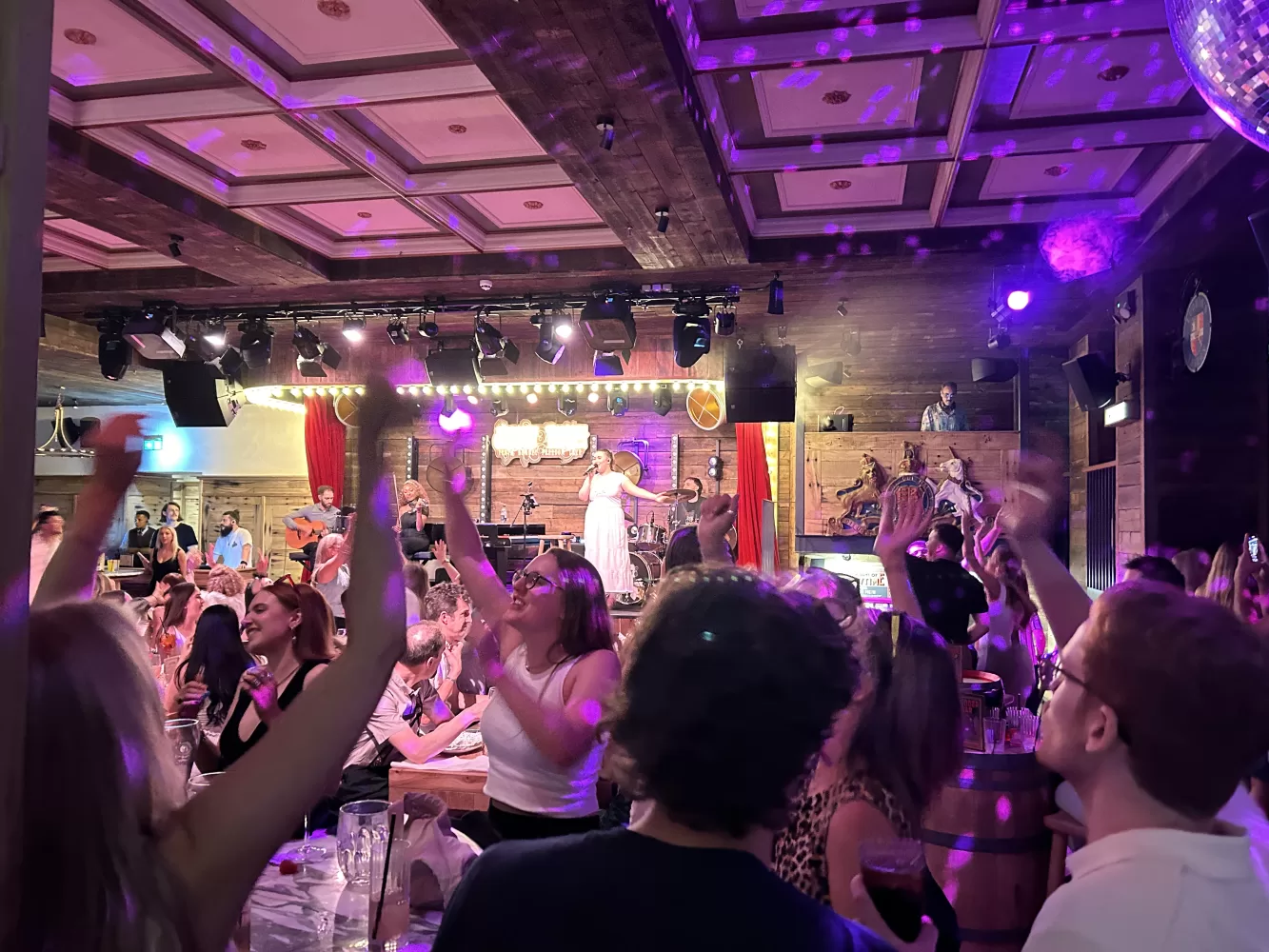
If your venue requires event audio (live acts, DJs) alongside background music, engage a specialist design-and-install team early. Pro Technical has delivered zoned and production-capable systems for hospitality venues, including Martin Audio Torus installations at Alberts Schloss and bespoke RCF systems in Nottingham. Hire specialists when you need: - Integrated multi-source routing with live-sound capability - Networked audio across floors or sites - Complex control integration with lighting, digital signage and video walls For straightforward background music and one-or-two zone control, an experienced AV installer can deliver a reliable system quickly. For multi-floor or multi-site systems with centralised control, allocate additional design time and budget for networking and redundancy.

Choosing the right installer and next steps

When selecting an installer look for: documented case studies in hospitality, clear commissioning procedures, experience with brands you prefer (Martin Audio, RCF, JBL), and post-install support options. Ask for: - A site survey report and suggested zoning plan - An equipment schedule with part numbers and rationale - A commissioning plan including measurement and presets - A maintenance and support proposal with response times Next steps: arrange a site survey with Pro Technical via our contact page (). For reading on related topics, see our resources on AV installation cost (/resources/how-much-does-commercial-av-installation-cost) and designing AV for sports bars (/resources/how-to-design-an-av-system-for-a-sports-bar).
Protect your AV investment

Commercial AV maintenance and responsive technical support

Planned servicing, system health checks, fault diagnosis, configuration management and workshop repairs for single venues and multi-site operators.

Ongoing system maintenance

Discuss your venue project

Book a site survey with our commercial AV team to assess zoning, speaker placement and control options. Contact us at web@pro-technical.co.uk or via our contact page.

Get in touch

Frequently Asked Questions

Have more questions? Contact our technical team today.

Based in Derby · working across UK & Europe

Commercial AV expertise, wherever the project takes us.

Our Derby office and service centre supports system preparation, project coordination, equipment diagnostics and professional AV repairs for venues throughout UK & Europe. Explore our repair service centre.